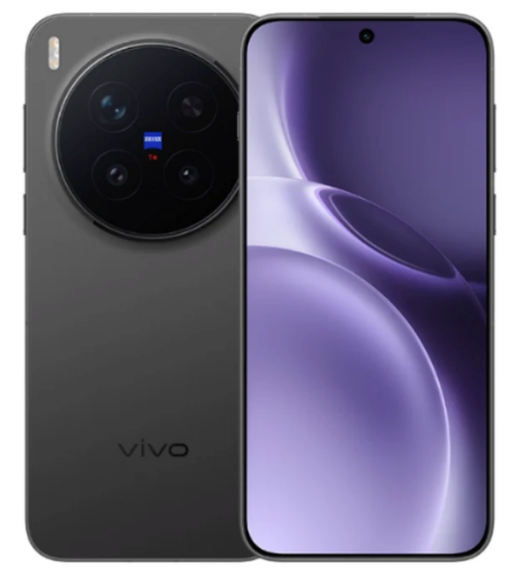

On February 26, a topic related to “the Chinese mobile phone industry is set to see across-the-board price increases” trended on Weibo (China’s version of X), reaching as high as No. 4 on the hot search rankings, with 27.306 million reads, drawing widespread public attention.
In fact, in early 2026, topics such as “memory chip prices surpass gold” had already climbed to No. 2 on the trending list. The chain reaction triggered by rising memory prices is now spreading from the upstream supply chain to smartphone retail markets.
The latest industry data show that in the first quarter of 2026, contract prices for mainstream DRAM are expected to rise 55% to 60% quarter-on-quarter, while NAND flash prices are projected to increase 33% to 38%. Among them, consumer-grade high-capacity QLC products are expected to see price hikes of no less than 40%.
According to available information, in early January 2026, taking a 256GB DDR5 server memory module as an example, the price per module had already reached 45,999 yuan. A check on e-commerce platforms shows that the current price for the same specification has risen to 56,999 yuan, representing an increase of about 30%.
According to the latest supply-chain information, after bottoming out and rebounding in the second half of 2024, prices of mobile memory and storage chips have continued to rise for multiple consecutive quarters, with the increases further accelerating at the start of 2026. In this regard, representatives from Honor told reporters from Jimu News that memory prices have indeed surged aggressively, showing a completely unchecked upward trend.
Multiple industry-chain sources confirmed that the procurement cost of smartphone storage chips has risen by more than 80% year-on-year, with no signs of easing so far. According to channel partners and ODM manufacturers, leading smartphone brands including OPPO, OnePlus, vivo, Xiaomi, iQOO, and Honor are planning to launch a new round of product price adjustments in early March. This is expected to be the largest and most significant collective price hike in the mobile phone industry in nearly five years.
As storage-cost pressures pass through, IDC noted that the share of memory semiconductors in total smartphone costs has surged from 10–15% previously to over 20% recently. The firm forecasts that the average selling price of smartphones in 2026 will rise to USD 465, while total market revenue will reach USD 578.9 billion, setting a new historical record. An OPPO representative added that for higher-end models, the price increase in this round could exceed RMB 1,000.
Industry insiders noted that flagship models, due to their higher prices and greater pricing power, are relatively less affected by the current surge in storage-chip prices, while mid- and low-end models are bearing the brunt of the impact. Notably, storage costs now account for nearly 30% of total costs in mid- and low-range smartphones, and some entry-level models priced around RMB 1,000 have already slipped into negative gross margin territory.
At present, the mobile phone industry has clearly entered a wave of end-market price increases driven by rising storage costs. In fact, since the end of 2025, several smartphone manufacturers have gradually raised prices for new product launches, and this trend is expected to continue throughout 2026. Judging from recent pricing adjustments by major brands, newly released domestic models—such as the Redmi K90 series and iQOO 15—are priced RMB 100 to 600 higher than their previous generations. Meanwhile, mid-range models from brands like Lenovo and OPPO have also generally seen price increases, with some models rising by as much as 20%.