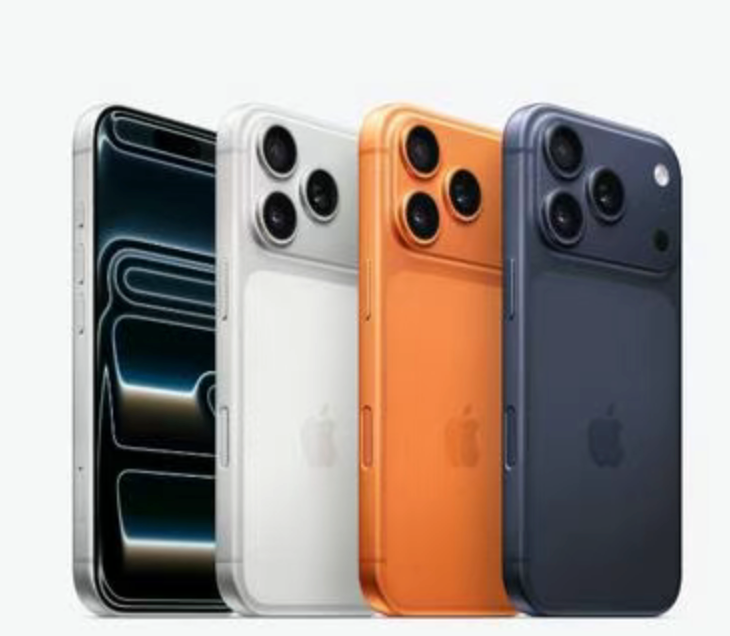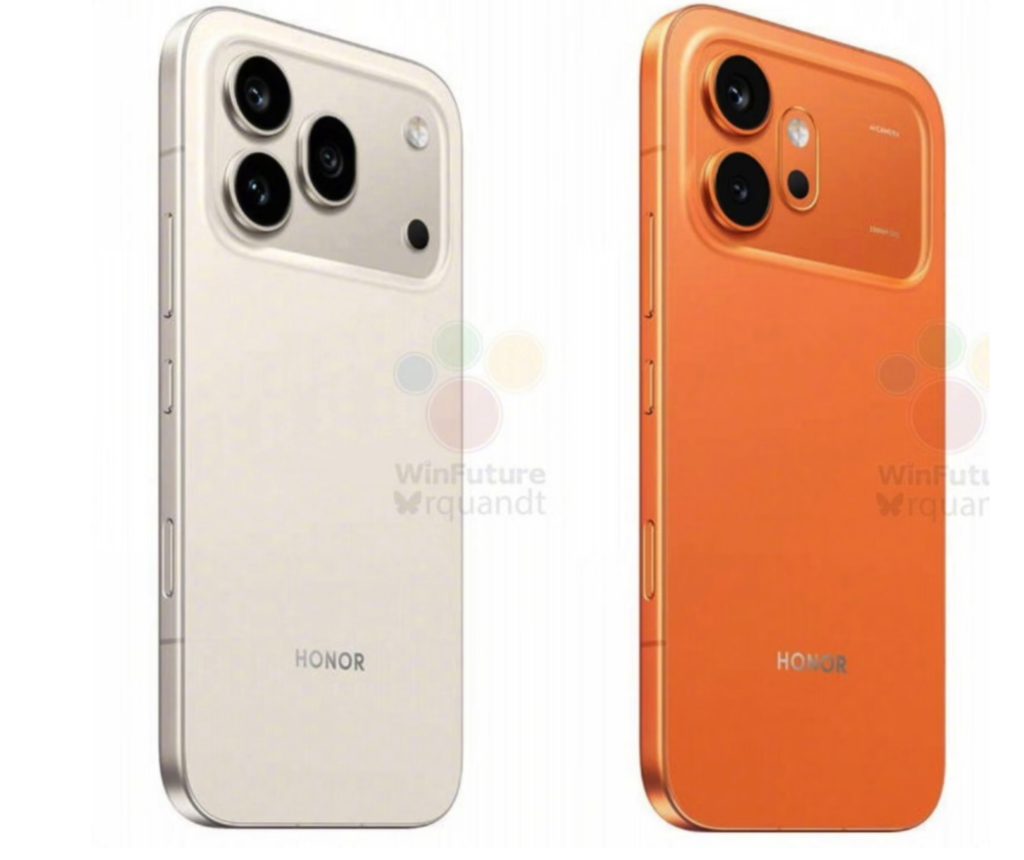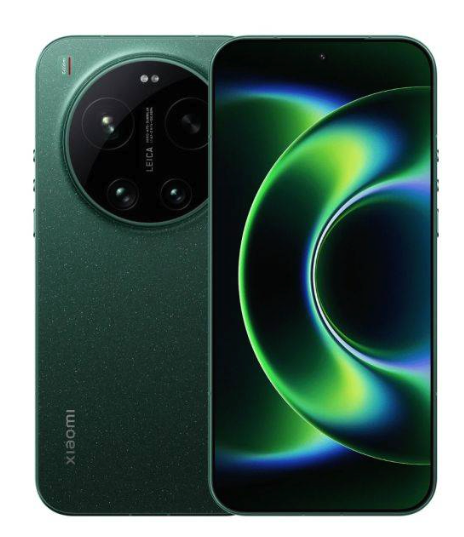
Among the many highly anticipated new smartphones, the top-tier model of the Honor Magic8 series—the Magic8 Ultra—has undoubtedly become the hottest topic recently. Unlike a typical iterative upgrade, based on information from the supply chain and industry insiders, this ultra-flagship, expected to launch in January 2026, is attempting to redefine the hardware ceiling of smartphones through an almost “extreme” approach to component stacking.
If the previous Magic7 series was already impressive, the Magic8 Ultra represents Honor’s “ultimate answer” in this era of fierce internal competition.
For a top-tier flagship crowned with the name “Ultra,” performance naturally forms its core foundation. The Honor Magic8 Ultra is set, unsurprisingly, to be powered by Qualcomm’s next-generation flagship platform—the Snapdragon 8 Elite Gen 5.
This chip is built on TSMC’s latest 3nm process and adopts an extremely aggressive 2+6 all-large-core architecture, with the super cores expected to reach speeds beyond 4.6GHz. This means that whether it’s instant app launches in daily use or running high-demand games like Genshin Impact or Star Rail, the device can deliver more than sufficient performance output.
Even more importantly, Honor’s long-standing proprietary low-level tuning technology will further unleash the chip’s potential. Combined with an all-area “Ice Dome” cooling system made of superconductive graphene and VC heat spreaders, the phone balances high performance with a cool touch, finally eliminating the awkward reputation of flagship phones as “hand warmers.”
If performance sets the baseline of the experience, then the imaging system defines a flagship’s peak. With the Honor Magic8 Ultra, the investment in photography can only be described as “all-in.”
For the main camera, the device will debut with OmniVision’s latest OV50R sensor. This 1/1.3-inch large CMOS sensor boasts a key feature: LOFIC technology, which allows the sensor to achieve an astonishingly high dynamic range in a single exposure. It effectively solves the long-standing issue in traditional smartphones where bright areas are overexposed and shadows are crushed in backlit scenes. Whether capturing portraits under the midday sun or complex neon-lit night scenes, it can faithfully reproduce realistic light and shadow as seen by the human eye.
What truly excites photography enthusiasts, however, is the legendary 200MP periscope telephoto lens. In today’s smartphone market, high megapixels and long focal lengths rarely coexist, but the Magic8 Ultra breaks this barrier. This 200MP telephoto lens not only offers extremely high native zoom, but also leverages its ultra-high resolution to achieve “optical-level” digital cropping zoom.
This makes it the ultimate “concert camera” and “birding camera.” Even at extreme distances, the images retain incredible detail, and when zoomed several times, even fine strands of hair and tiny textures remain crisp and clear. Coupled with Honor’s self-developed AiMAGE imaging algorithm, the telephoto performance of the Magic8 Ultra is poised to challenge the capabilities of professional cameras.
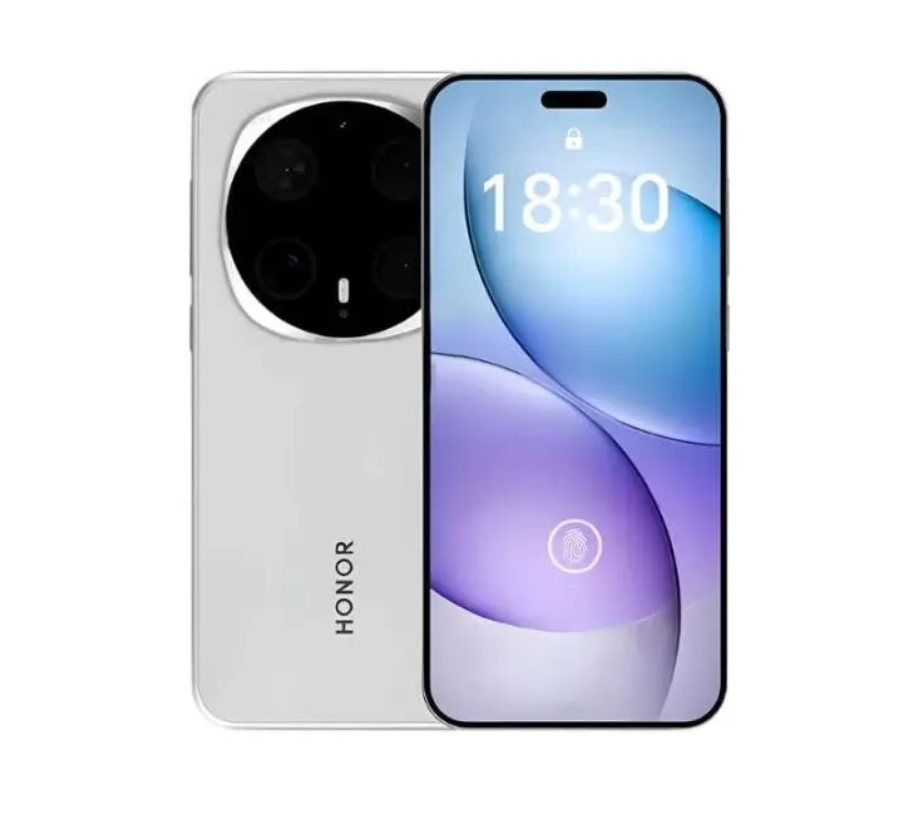
Battery life has long been a bottleneck in smartphone development, but Honor seems to have found a breakthrough. The Honor Magic8 Ultra will feature a massive 7,200mAh “Qinghai Lake” battery, an exceptionally rare capacity for a flagship device. In an era where battery technology has largely stagnated, Honor has pushed energy density to new heights using silicon-carbon anode technology.
What does 7,200mAh mean? For the vast majority of users, charging once a day could become a thing of the past, and even under heavy use, the device can easily last a full day and a half. Additionally, the phone supports 120W wired super fast charging and full-power wireless fast charging, allowing quick top-ups during fragmented moments, effectively eliminating user anxiety over battery life.
As the primary window for human-device interaction, the Magic8 Ultra’s display also makes no compromises. The device will sport a 6.71-inch 1.5K LTPO quad-curved screen. This design retains the premium feel and smooth hand sensation of a curved display while using subtle curves to address edge mis-touches and green tint issues, resulting in visuals that feel transparently immersive, like water about to overflow.
The screen’s peak brightness reaches 5,000 nits, ensuring content remains clear and sharp even under strong outdoor light. Furthermore, Honor’s signature Oasis Eye Protection technology has been upgraded, with 4,320Hz ultra-high-frequency PWM dimming reducing flicker to a minimum, providing all-day protection for users’ eye health.
In terms of detail experience and security, the Honor Magic8 Ultra demonstrates the meticulous craftsmanship of a top-tier manufacturer. It is currently one of the very few smartphones on the market equipped with both 3D ultrasonic fingerprint recognition and 3D facial recognition. The ultrasonic fingerprint sensor works flawlessly even with wet hands or strong light, delivering ultra-fast unlocking, while the 3D facial recognition provides financial-grade payment security. Together, they complement each other to create a comprehensive, all-scenario unlocking experience.
Additionally, the device supports IP69 dust and water resistance and comes with Tiantong satellite communication functionality. Whether in a torrential downpour in the city or in signal-free wilderness, the phone can stay connected at all times, becoming a user’s most reliable survival tool.
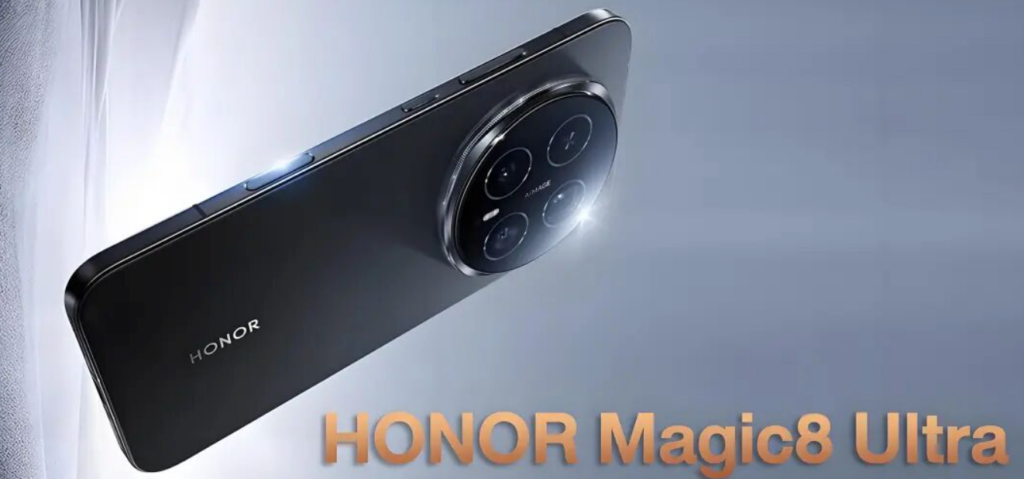
Overall, the Honor Magic8 Ultra is not just a simple exercise in hardware stacking—it’s a comprehensive counterattack addressing real user pain points. It tackles battery anxiety with a 7,200mAh cell, satisfies long-range photography needs with a 200MP telephoto lens, and fills security gaps with dual 3D recognition.
This flagship, expected to launch in January 2026, will undoubtedly come with a premium price tag. However, with such formidable capabilities, it has the potential to become a dark horse in the high-end market next year and may even reshape the current landscape of Android flagships. For users seeking the ultimate tech experience, all that’s left to do now might just be saving up and waiting.