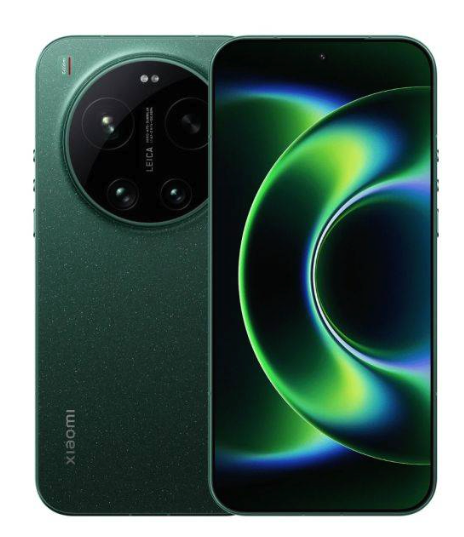
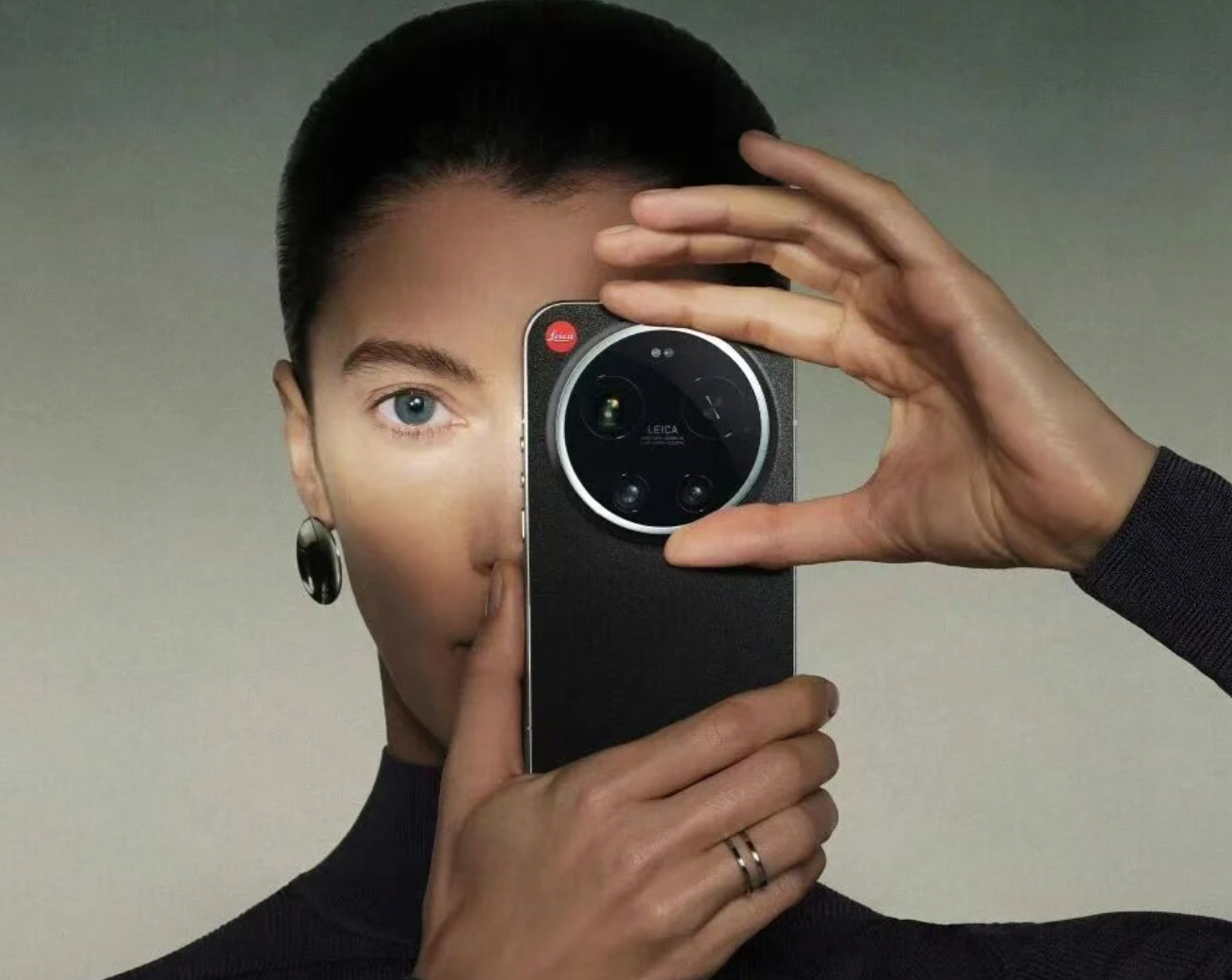
The new generation flagship phones from Xiaomi have completed their global launch. In overseas markets, only the Xiaomi 17 Global Version, Xiaomi 17 Ultra Global Version, and Xiaomi 17 Ultra Leica Global Version are available. However, the situation is different in the domestic Chinese market, where there are more variants, such as the Xiaomi 17 Standard Version, Xiaomi 17 Pro, Xiaomi 17 Pro Max, Xiaomi 17 Ultra, and Xiaomi 17 Ultra Leica Edition. This approach mainly considers different market demands.
Launching multiple versions has already become a common strategy in the Chinese market. It allows each new model to be positioned more precisely while further enriching the product lineup—essentially achieving two goals at once.
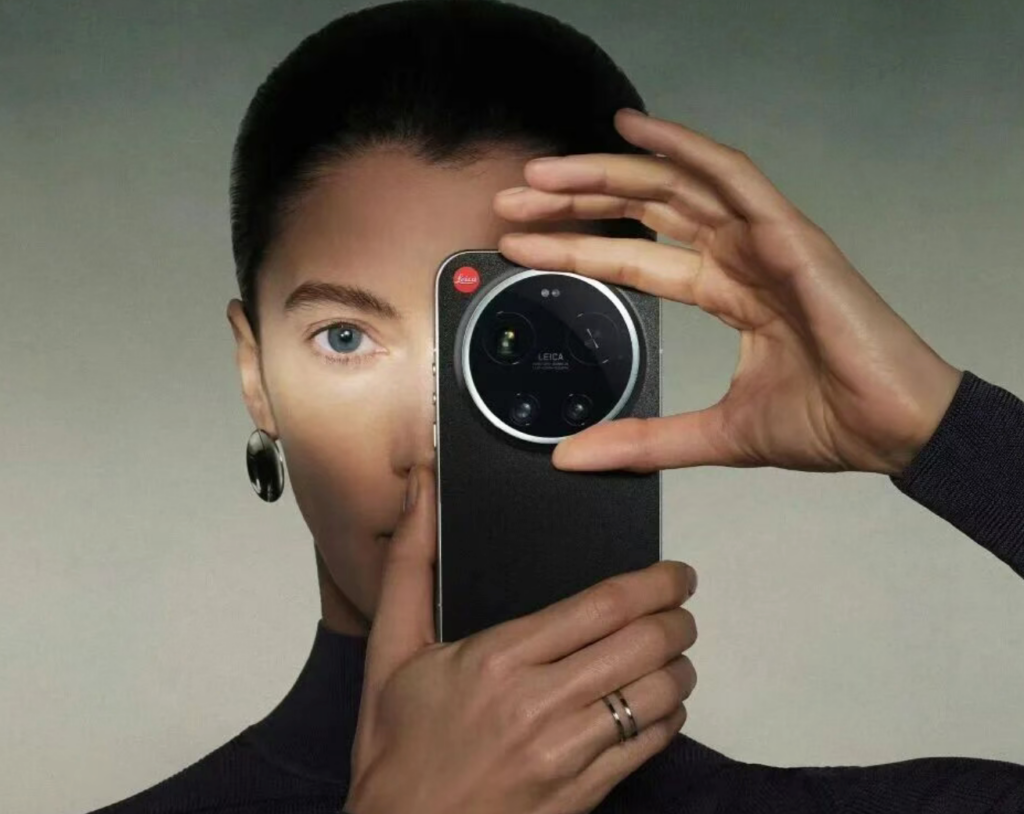
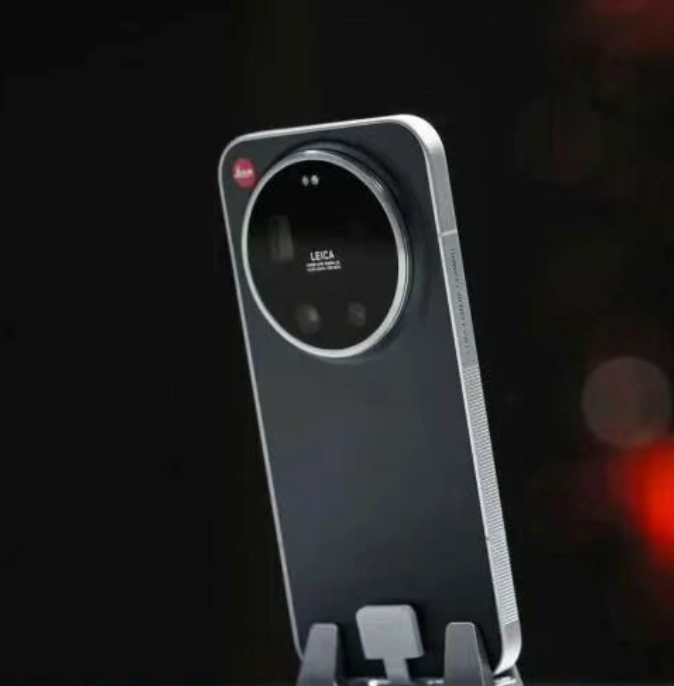
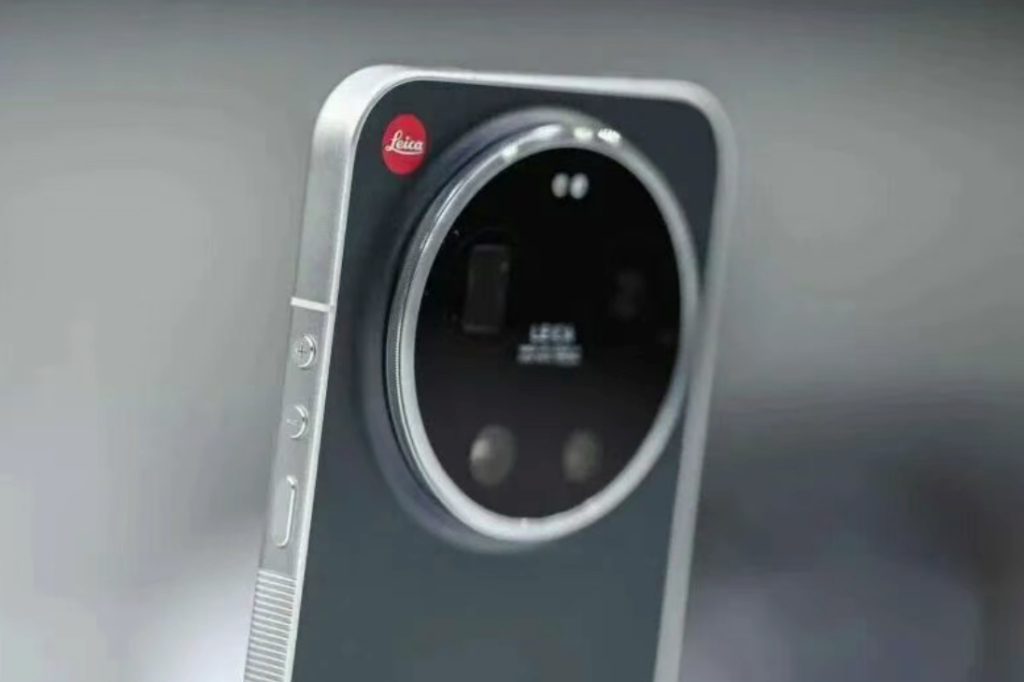
At the same time, Xiaomi has officially announced that the new phone will go on sale on March 10, and pre-orders are already open. The model is the Xiaomi 17 Ultra Leica Edition in a new black and silver color, while previously only black and off-white were available.
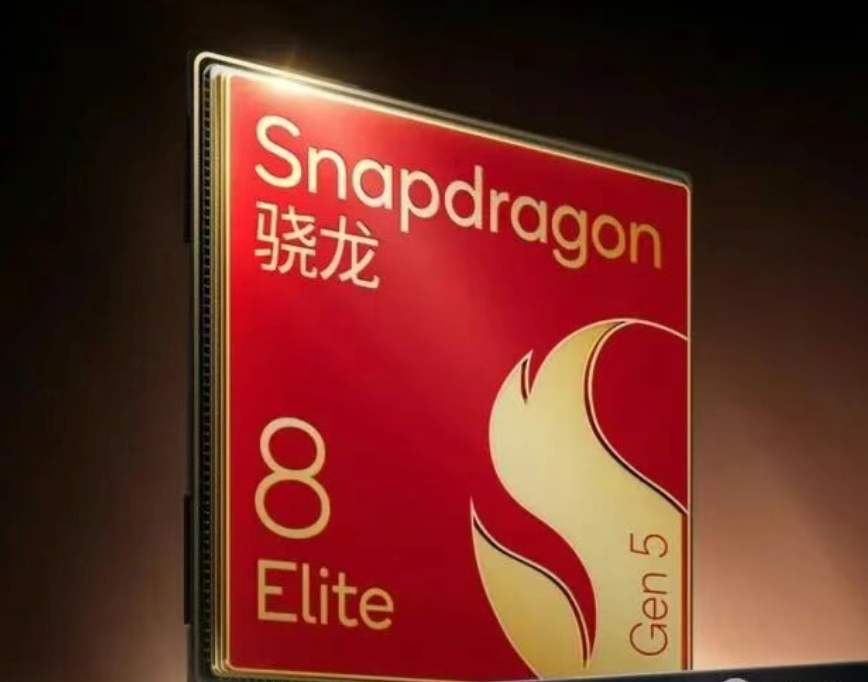
The hardware configuration remains unchanged, maintaining its top-tier flagship specifications. With the support of Leica imaging, the camera system reaches a professional level. The highlights of the new model are clear, including the new black-silver color, Leica camera system, 3nm flagship chipset, large flat display, and a self-developed battery.
As a true top-end version, its specifications are maximized across multiple aspects. Xiaomi continues to push heavier hardware configurations in its flagship phones, essentially reaching the top level of the industry.
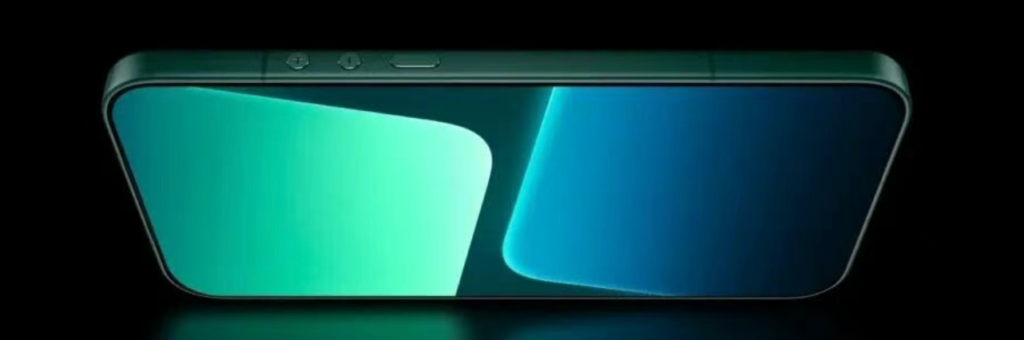
The new phone features a large flat display measuring 6.9 inches, with a resolution of 2608 × 1200 pixels, while the previous generation had a resolution of 3200 × 1440 pixels, so there is a noticeable difference between the two displays in terms of resolution.
The refresh rate remains at 120Hz, and the touch sampling rate is 300Hz. As a super pixel display, it uses a full RGB pixel arrangement, which helps achieve higher visual clarity. At the same time, it adopts a new red light–emitting material, allowing the peak brightness in multiple scenarios to reach 3500 nits, which is 300 nits higher than the previous generation.
Compared with the previous generation display, the new model adopts a completely new display solution rather than a conventional upgrade, and the overall performance is still quite solid.
The imaging system is now fully integrated with Leica, extending across multiple aspects such as imaging hardware and the imaging system itself. The phone features a 50MP front camera, while the rear setup includes a 50MP main camera + 200MP telephoto lens + 50MP ultra-wide lens, all jointly developed and tuned in collaboration with Leica.
At the same time, a new “Red Carpet camera movement” mode has been introduced to make shooting easier. It also includes subject-tracking camera movement and free camera movement, allowing users to choose different shooting styles.
In terms of accessories and expansion, a lightweight imaging kit and a professional imaging kit have been introduced. Many users prefer the professional imaging kit, mainly because it includes a 67mm filter adapter ring, enabling professional-level photography.
The new phone is equipped with Xiaomi’s Jinshajiang battery, with a capacity of 6800mAh. Although it has not surpassed the 7000mAh+ mark, it can provide up to 35.8 hours of voice call battery life.
For charging, it supports 90W wired fast charging and 50W wireless fast charging, along with AI intelligent charging.
In terms of connectivity, it is equipped with Xiaomi’s Xingchen communication system, featuring a Xingchen antenna and five signal-enhancement chips, significantly improving communication performance.
Other configurations include IP66/IP68/IP69 water and dust resistance, stereo dual speakers, UWB, 3D ultrasonic fingerprint recognition, and NFC. The new color version has the same configuration options and pricing as the other color variants.