February 20 news: the launch pace of vivo’s imaging-focused super flagship X300 Ultra is accelerating. Recently, the top-tier configuration has passed certification and surfaced on network access databases. The model number points to V2547DA, and the listings indicate support for BeiDou satellite messaging as well as a 100W charger.
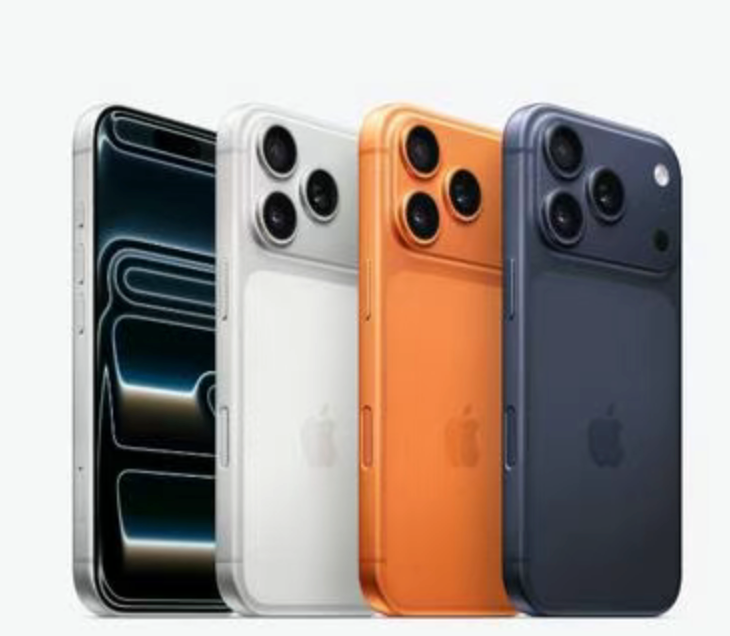
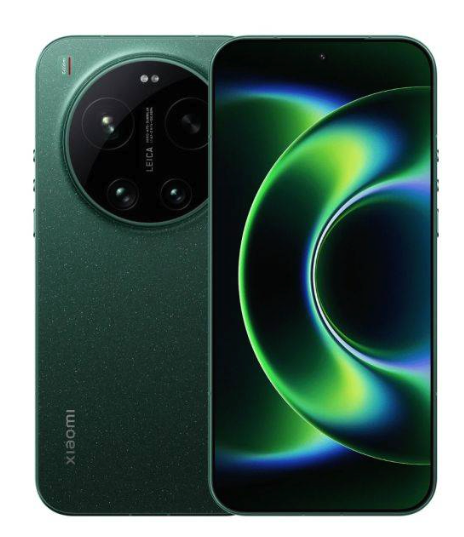
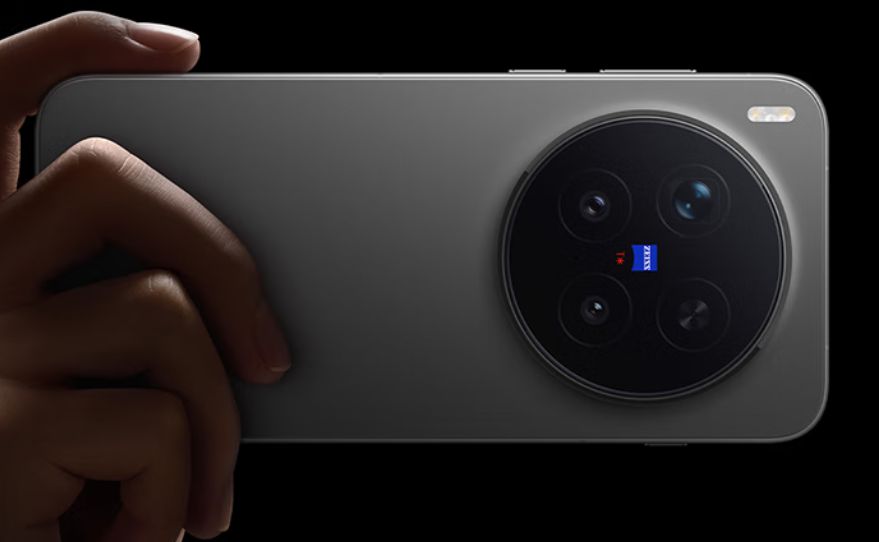
In terms of design, the prevailing view leans toward a flat display paired with a flat-edged metal frame. The large circular camera deco remains a key visual identifier. Some channels claim the interaction layout will be adjusted, including dropping the independent camera shutter–style button used on the previous generation.
The imaging strategy is described as “continuous optical zoom across the full focal range,” with a core focus on refining coverage from portrait to mid-telephoto at the long end. According to current leaks, the periscope telephoto is said to use a 1/1.4-inch class 200MP sensor, starting at an 85mm equivalent, and supporting continuous optical zoom from 85mm to 170mm, targeting seamless transitions for portraits and close-ups.
Details for the main camera and ultra-wide have also emerged. Some sources describe a “triple camera with dual 200MP large sensors” setup: the main camera is rumored to be a 200MP Sony LYT-901 with a 35mm equivalent fixed focal length, while the ultra-wide is said to be a 1/1.28-inch class Sony LYT-828, paired with freeform optics to suppress edge distortion. A ~5MP multispectral sensor is also expected, aiming to further improve color consistency.
On the video and computational photography front, the device is likely to continue with the dual in-house imaging chip approach. The previously disclosed VS1 + V3+ division of labor on the X200 Ultra handles front-end and back-end processing collaboratively. If this architecture is retained, the advantages typically lie in RAW-domain processing efficiency and video image stability.
As for battery life and fast charging, 100W wired charging is the clearest item confirmed via certification. Details such as battery capacity, silicon-carbon chemistry, and low-temperature degradation metrics remain largely at the rumor stage. What will matter more going forward are the overall weight and thickness, the image consistency of continuous telephoto zoom, and whether the 85–170mm range can deliver a truly “seamless” experience in low-light autofocus, OIS stability, and video focal-length transitions.